

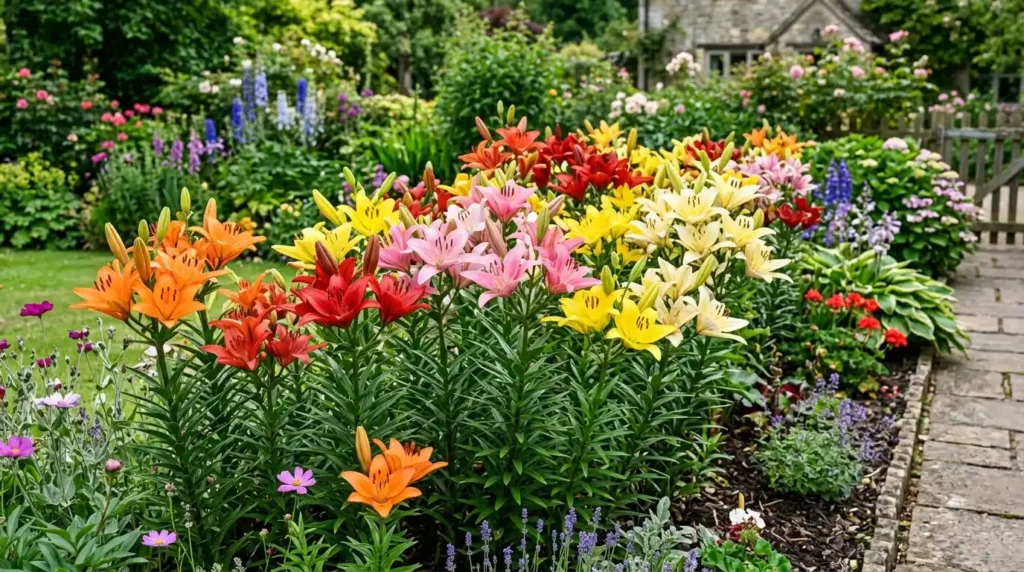
When I first planted asiatic lilies, I knew that I would be faced with another waiting game. As I am used to when it comes to any kind of gardening task. Where there is no guarantee of any results. However, what surprised me most of all were the impressive results that I saw within the first growing season. Which was full of blooms that made everyone stop on their tracks on the nearby path. This was a defining moment for me regarding my approach to bulb planting. Asiatic lilies turned out to be extremely rewarding flowers that are also much simpler to grow than many believe.
In this article, you will find out how to plant the bulbs, prepare your soil, deal with blooming periods, use your asiatic lilies in a cut garden, protect your plants from pests, and select the best cultivars.
What Is an Asiatic Lily?
The Asiatic lily, botanically called Lilium asiatic hybrids or Lilium asiatica. Is one of the members of the Liliaceae plant family. The Asiatic lily is an herbaceous perennial. That grows from scaly bulbs and reliably flowers every year within USDA zones 4a to 8b. This perennial lily plant can grow up to 2–5 feet in height. And produces large flowers, each 4 to 6 inches wide and with 6 petals.
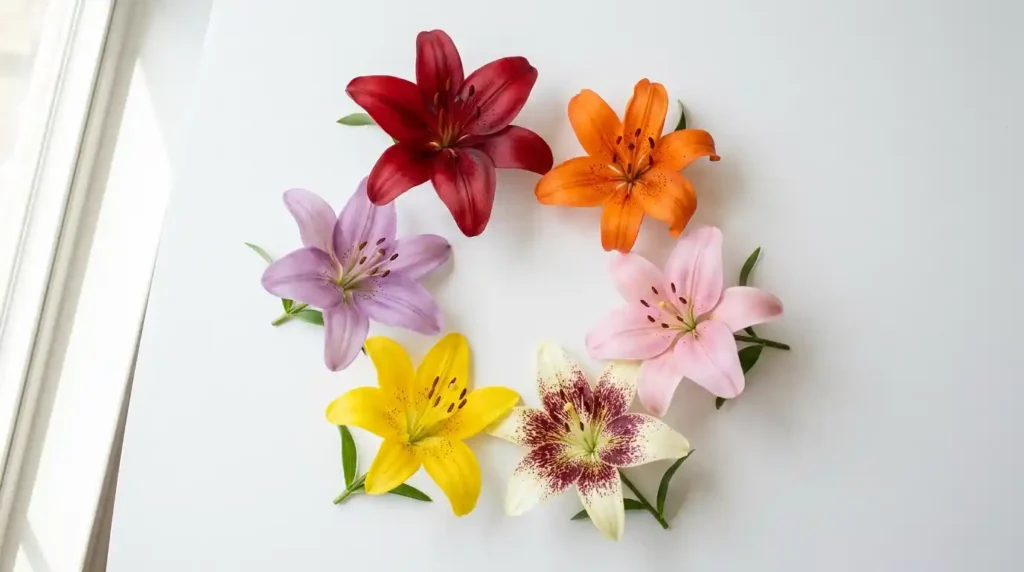
What makes asiatic lilies stand apart from other lily types is a combination of three qualities. They are typically the first to bloom among all Lilium genus types. They carry the widest color range of any hybrid lily group covering pink flowers, orange flowers, yellow flowers, red flowers, cream flowers, white flowers, lavender flowers, purple flowers, and variegated flowers including burgundy spots and black centers.
And they are almost entirely scentless which makes them an excellent choice for anyone. Who loves fresh cut flowers without the intensity of fragrance that Oriental lilies produce.
The bloom time runs from spring blooming into summer blooming. With most cultivars flowering in June and July at their peak. Outward-facing flowers and upward-facing flowers appear on stout stems green to reddish in color, smooth stems rising from a base of narrow green leaves. The linear leaves are alternate and appear whorled on the stem with parallel venation.
Choosing the Right Asiatic Lily Cultivar
There is a huge variety of choice. When it comes to choosing a cultivar of asiatic lilies, and it is really exciting. Lily Garden in Woodland, Washington, a world-famous specialist lily nursery in North America, grows and photographs every single cultivar that they offer on their own farms. Thereby ensuring that you have the very best bulbs of every plant to grow and flourish.
When choosing pink flowers, there are several excellent choices that should be considered including Heart Strings, Iowa Rose, Pink Brush, Pink Flight, Rosella’s Dream, and Purple Marble. Rosella’s Dream has the added benefit of being an early bloomer and offers a mix of pink and cream flowers.
For Orange Flowers
Supreme Joy, Junior Joy, Giraffe, Captain Kidd, Karen North, Orange Valley, Spice Islands, and Tiger Babies all produce warm amber to deep tangerine outward-facing flowers. Junior Joy and Supreme Joy are both shorter dwarf lily varieties excellent for container planting and patio settings where height control matters.
For Yellow Flowers
King Pete brings yellow with orange spots and darker freckles. Yellow Bruse and Yellow Whoppers deliver clean golden-yellow tones. Tiny Nugget a short pot lily is perfect for small containers with bright yellow-orange blooms.
For Red Flowers
Monte Negro, Red Velvet, Red Life, and Tiny Rocket all deliver deep crimson-red blooms. Tiny Rocket is another compact dwarf lily short with red flowers excellent in border planting and smaller beds.
White Or Cream Colored
Richmond, Big Bang, and Black Spider, where the flower has cream petals with burgundy spots along with having distinct black centers provide light-colored choices for contrasting purposes in a cutting garden design scheme.
Special forms
Lancifolium tiger lily, Lilium Leichtlinii, Eyeliner, Stracciatella Event, and Strawberry Event will prove their mettle as having spots or patterned flowers, which make great additions to any border display. The OA hybrids like Avalon Sunset, Hotel California, and Viva La Vida will give interesting and varied color patterns. Which do not fit the category of pure asiatic or oriental lilies.
Lily Garden creations (LG) including Windchimes, Midsummer’s Eve, Peach Butterflies, and Othello are proprietary varieties bred on the farm itself. Born and bred in Woodland, Washington, these are genuinely unique varieties unavailable elsewhere.
How to Plant Asiatic Lily Bulbs
There are two ways in which asiatic lily bulbs can be planted, both spring planting and fall planting according to manufacturer instructions on each particular variety. The two methods work well although fall planting provides the bulbs time to form roots prior to winter and usually results in better blooming the next spring.
A sunny position in your garden where there are at least 6 hours of direct sunlight is best. The plants can tolerate partial shade; however, maximum efficiency demands the sun that Asiatic Lilies have evolved to utilize. For areas with extremely hot afternoons, partial shade of 2-6 hours is recommended.
Soil pH Requirements
Soil pH requirements are broad acid soil, neutral soil, and alkaline soil all work. What matters most is good drainage. Bulb rot in poorly drained soil is one of the most consistent causes of failure with asiatic lilies. If your soil is heavy clay, amend generously with coarse sand, grit, and organic matter before planting. The ideal growing medium is loamy soil or sandy soil with consistent moist soil availability but never waterlogged conditions.
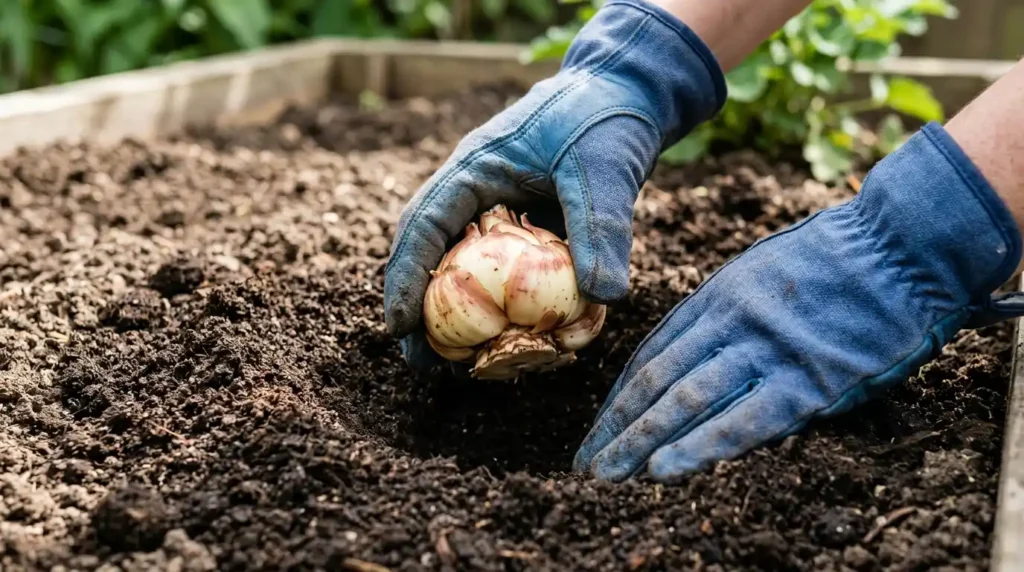
Plant bulbs to a depth of approximately three times their diameter typically 6 to 8 inches for standard bulbs. Space them generously to allow good drainage and air circulation between plants. Poor circulation is a contributing factor to Botrytis and other fungal disease problems that appear during persistent rainy periods.
The Lily Garden offers both fall shipping beginning in early October and running until mid-December and spring shipping beginning in early March and running until May 8th. Orders are shipped via USPS mail unless another carrier is requested. Every bulb comes with their farm-grown bulb guarantee to grow and bloom with the exception of Martagons.
Caring for Asiatic Lilies Through the Growing Season
Provided the basics are covered, Asiatic lily care is quite simple. These are easy-care plants that grow at a moderate pace and appreciate basic care without requiring daily attention.
Watering
Keep the soil consistently moist without making it overly saturated. Deep and infrequent watering is significantly more beneficial than frequent and light watering. In case of continuous rain. Be wary of proper drainage standing water near the scaly bulbs leads to rot more rapidly than any other environmental influence.
Fertilizing
Using a balanced slow-release fertilizer at the beginning of spring when narrow leaves appear. Then using potassium fertilizers while buds are growing, ensures Asiatic lily hybrids receive adequate nutrients to produce large flowers and strong stems. High-nitrogen fertilizers should be avoided during the blooming period too much nitrogen results in foliage growth while flowers are sacrificed.
Deadheading
Once summer blooming ends, remove the wilted flowers to discourage seed formation and channel the plant’s energy toward bulb development for next year’s blooming period. Allow the thick stems and slender leaves to remain until they turn yellow. Since they continue providing nutrition to the scaly bulbs through photosynthesis well past the flowering period.
Propagation By Division And Planting
Propagation by division of clumps every three to four years ensures good health without crowding. Remove the small bulbs, known as bulblets, from the parent bulb during the fall planting period and plant them at the appropriate depth. Clump division is the best form of propagation because it is more reliable than seedling propagation.
Using Asiatic Lilies in the Garden and Home
Asiatic lilies are among the most versatile garden plants available and they are genuinely excellent cutting flowers for home use.
In the garden, they perform beautifully as border planting in beds and borders. Mass planting creates the most dramatic visual impact particularly when a single cultivar is planted in groups of 5 to 7 bulbs for a concentrated color statement. They suit Asian garden themes, pollinator garden designs, and cutting garden beds equally well.
Bees and butterflies are reliably attracted to asiatic lily flowers making them a genuinely productive choice for pollinator garden designs where supporting local insect populations is a priority. Container planting works well for dwarf lily varieties including Tiny Nugget, Tiny Rocket, Lollipop, Trendy Dakota, and Trendy Nicosia all specifically suited to pot lily and border lily use on patio and walkways settings.
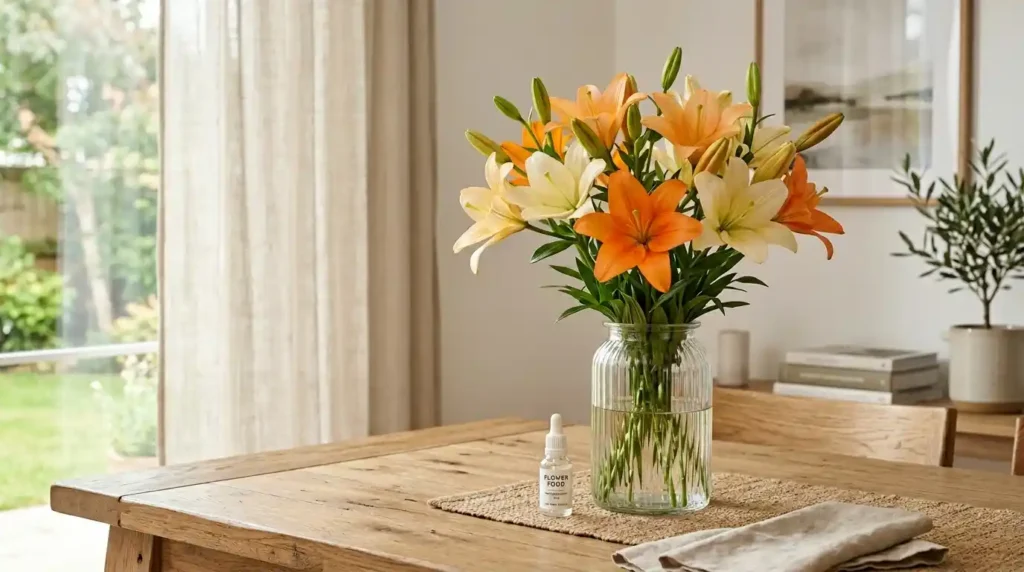
For cutting flowers use, proper post-harvest care significantly extends vase life. Cut stems at an angle when outward-facing flowers begin to open but before they fully extend. Trim any lower leaves that may fall below the waterline to help prevent bacterial growth. Use quality flower food following Floralife guidelines these products maintain water uptake and extend display life meaningfully.
One important practical note: staining pollen from the prominent long stamens will permanently mark fabric and skin. Remove stamens with a dry tissue immediately after cutting before any contact with clothing or upholstered surfaces.
Pests and Diseases to Watch For
Asiatic lilies are confronted with a particular set of problems regarding pests and diseases that can be controlled with timely intervention.
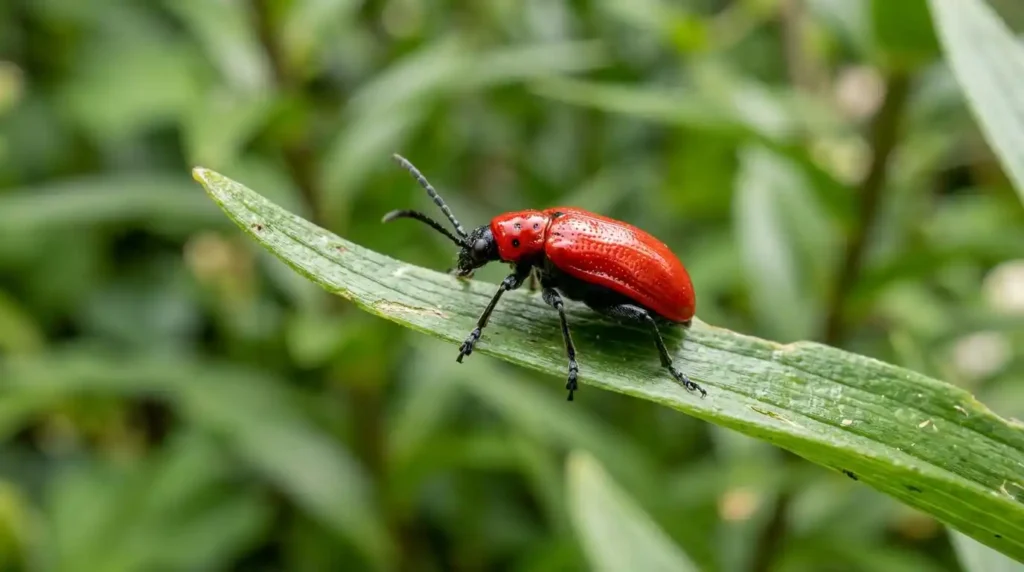
Lily beetles which are bright red beetles represent the most noticeable pests. The adult and larval stages of the beetles feed on linear leaves, leading to leaf defoliation. When the population is low, handpicking can be employed. In case of higher numbers, neem oil or pyrethrin sprays will suffice.
These include the crescent-marked lily aphid, the purple-spotted lily aphid, and the potato aphid, all of which infest young shoots and flower buds. These are followed by the bulb mite, which infests the scaly bulbs in the ground without any visible signs until the plants don’t appear. The narcissus bulb fly larvae feed inside the bulbs, and the plants grown from infected bulbs exhibit weak and distorted growth or don’t come up at all.
Most Common Fungal Problem
The most common fungal problem that occurs in the form of grey-brown spots on narrow green leaves and thick stems during cold, humid weather and wet conditions is Botrytis. Proper ventilation by providing adequate space between plants, avoiding irrigation from above, and removing damaged plants are the best preventive measures. A copper fungicide applied as a precautionary measure during humid conditions greatly decreases the likelihood of occurrence.
The biggest threat is bulb rot that results in the complete death of the bulb with no possibility for revival. Bulb rot is caused by poor drainage and cannot be controlled other than by taking preventative actions such as preparing the soil before bulb planting.
Deer
The Asiatic lily can easily be browsed on by deer. In particular, the white-tailed deer is highlighted as a problematic species. Putting up physical barriers or applying deer repellents can protect the plant from browsing deer.
Toxicity
The Asiatic lily can be dangerous if ingested by cats and toxic for rabbits. No parts of the plant, even the staining pollen, can be consumed without danger. Cats should not ingest any part of the plant. The plant is harmless for dogs and horses.
USDA Zones and Regional Performance of Asiatic Lilies
The Asiatic lily is truly versatile across a broad spectrum of hardiness zones. From USDA hardiness zones 4a to 8b, the great majority of North American gardeners can find their ideal growing conditions ranging from chilly northerly regions to moderate coastal and piedmont regions.
The NC State Extension and the North Carolina Extension Gardener Plant Toolbox validate performance in all three of the state’s primary regions including the coastal region, mountains region, and piedmont region thus ensuring that Asiatic hybrid lilies are among the most adaptable summer bulbs for mid-Atlantic and southeastern US gardens.
In zone 4 gardens where winters can be harsh, mulching bulbs planted in late fall can mean the difference between life and death. And in warmer zone 7 and zone 8 gardens, partial shade in the afternoons during hot spells helps flowers stay hydrated, prolonging blooming by a few days.
In all zones, however, the essential ingredients stay the same: full sun, well-draining soil, adequate water, and bulb disease-free planting. Nail these four down and your Asiatic hybrid lilies will thrive as The Lily Garden assures each and every one of their farm-grown bulbs will.
Conclusion
The Asiatic lilies are some of the best garden plants out there that always live up to their billing. They are easy to care for, adaptable throughout USDA zones 4a to 8b, and come in the most extensive range of colors that could satisfy the needs of any garden or cutting garden. Whether you want small dwarf hybrids like Tiny Nugget and Tiny Rocket for a container planting in your patio, or larger hybrids like Yellow Whoppers, Windchimes, and Midsummer’s Eve for a stunning backdrop in your border planting, there is an Asiatic lily variety for every purpose and taste.
Just follow the basic requirements full sunlight, good drainage, proper planting depth of the bulbs, and addressing any potential issues like bulb rot, lily beetles, and Botrytis blight when conditions allow and be sure to keep your pets away from any plants that can harm them to ensure that your Asiatic lily bed continues to offer consistent blooms throughout the seasons for years to come.
Frequently Asked Questions (FAQ’s)
An Asiatic lily is a bulb-grown herbaceous perennial from the Lilium hybrid group, known for large, colorful flowers and little to no fragrance. Most varieties grow about 2 to 5 feet tall and perform reliably in USDA zones 4a through 8b.
Asiatic lilies generally bloom earlier and are almost scentless, while Oriental lilies are known for their stronger fragrance. Asiatic varieties also offer an especially broad range of flower colors, making them versatile for borders, containers, and cutting gardens.
Plant the bulbs in well-draining soil about three times as deep as the bulb’s diameter, typically around 6 to 8 inches. Choose a position with about six hours of direct sun and avoid waterlogged soil, since poor drainage can quickly cause bulb rot.
Both spring and fall planting can work, but fall planting gives the bulbs time to establish roots before winter and may produce stronger flowering the following season. In colder zones, adding mulch after late-fall planting can provide useful winter protection.
Keep the soil evenly moist, feed appropriately during the growing season, and remove faded flowers after blooming. Leave the stems and foliage in place until they naturally yellow so they can continue feeding the bulb for the next year’s growth.

4 thoughts on “Asiatic Lily by Middle Class Homes: The Complete Care Guide for Growing Lilium Asiatic Hybrids”